
The Home Inspection Isn't a Pass-or-Fail Test: What Buyers and Sellers Really Need to Understand!

You've found the perfect house, negotiated the price, signed the paperwork, and you're officially UNDER CONTRACT! 🎉
You're already imagining where the furniture will go, what color you'll paint the walls, and where you'll put the Christmas tree.
And then comes inspection day…
Suddenly, that beautiful home you're dreaming about comes with a 50-page report filled with pictures, arrows, recommendations, and words you may have never heard before. Before you know it, you're wondering if the house is even going to be standing by the time you get the keys! 😂
Meanwhile, on the other side of the transaction, the sellers are wondering why the buyers are questioning everything about a home they've happily lived in for years.
This is where one of the most important conversations in real estate happens.
A home inspection isn't about passing or failing. It's about understanding what you're buying, identifying potential concerns, and making an educated decision about moving forward.
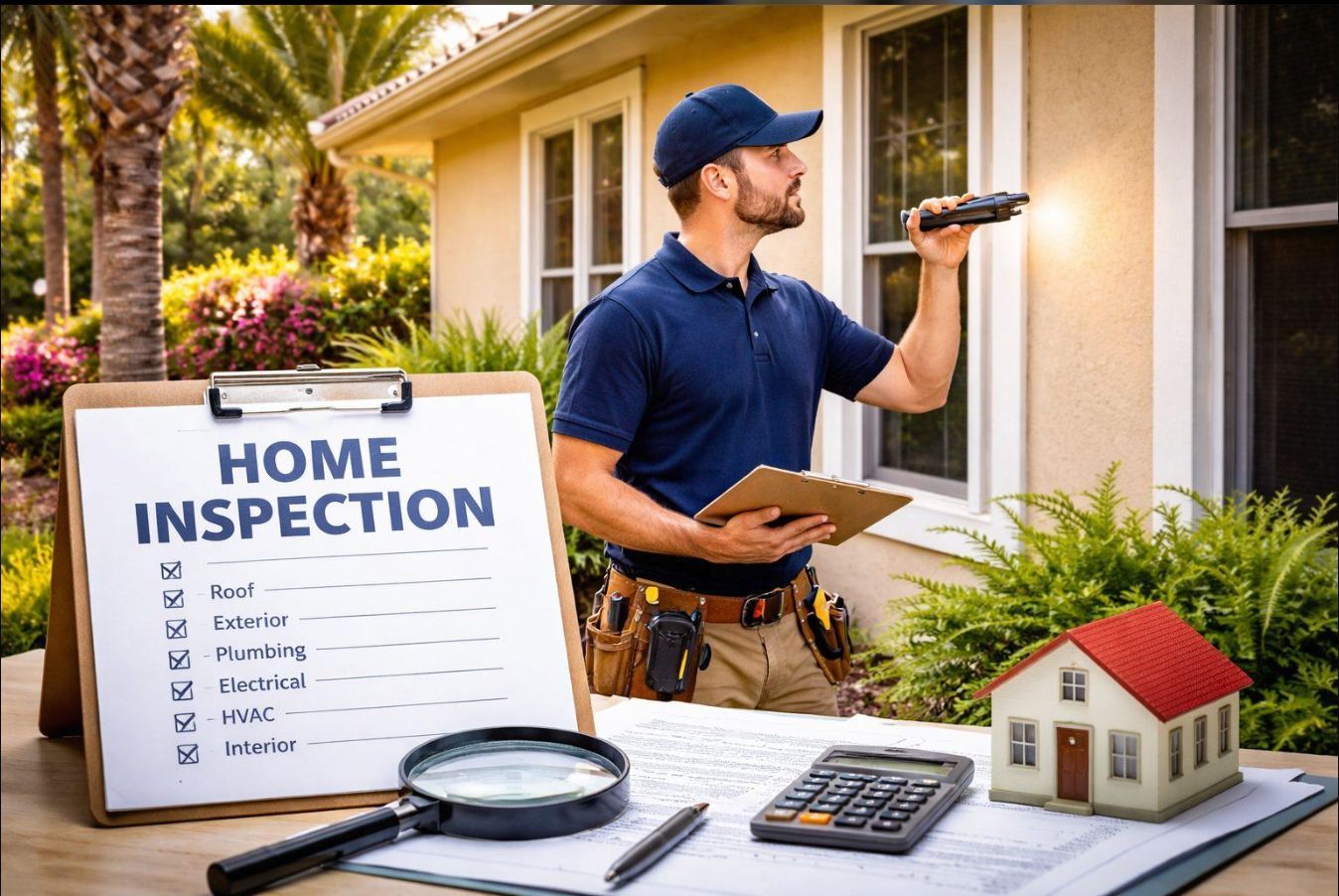
So grab your coffee ☕, and let's talk about what really happens during the inspection process and how both buyers and sellers can navigate it successfully.
🔍 Every Home Has Something… Even Brand-New Homes!
One of the things I always try to prepare my buyers for is that no home is perfect. It doesn't matter whether we're purchasing a 100-year-old farmhouse, a suburban home built in the 1990s, or a brand-new construction home that nobody has ever lived in.
There will almost always be something.
A home inspector's job is to evaluate the property's accessible components and document their findings. They're looking at everything from the roof and foundation to the electrical, plumbing, heating systems, and visible signs of moisture or deterioration.
They're not there to sell you the house, and they're not there to talk you out of buying it. They're there to provide information about its condition.
Sometimes that information can feel overwhelming. But a lengthy inspection report doesn't automatically mean a home is in terrible condition. I've seen how easily routine maintenance recommendations can make a report look more intimidating than it really is.
A missing doorstop and a failing foundation are two very different problems, even if they appear in the same report!
It's not about how many items are on the inspection report. It's about understanding the significance of those items.
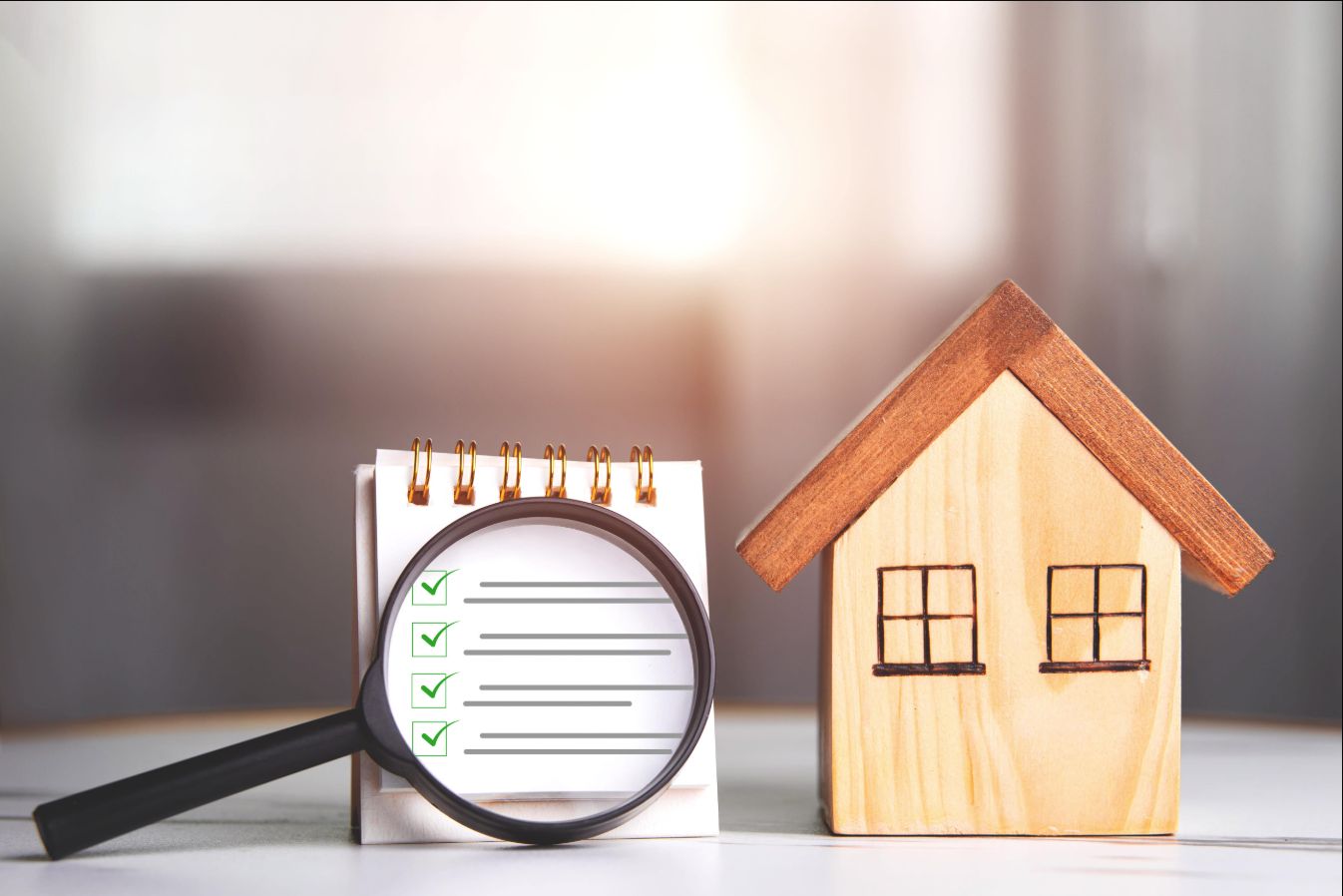
🛠️ Understanding the Difference Between a Repair and a Deal Breaker
When reviewing inspection findings with my buyers, I encourage them to think about three things: safety, major financial concerns, and everyday home maintenance.
Safety concerns might include electrical hazards, structural issues, or improper venting. Major financial concerns could include a failing roof, significant water damage, an aging sewer line with serious defects, or a heating system that needs replacement.
Then there are the everyday maintenance items. Things like worn caulking, loose door handles, minor cosmetic imperfections, or a dripping faucet are often part of owning a home.
Now, that doesn't mean smaller issues should automatically be ignored. Sometimes several seemingly minor problems can point to a larger concern that deserves further investigation. But understanding the difference helps buyers make decisions based on facts rather than emotions.
I also encourage buyers to consider the age of the home and its systems. Just because a furnace is approaching the end of its typical useful life doesn't necessarily mean it's defective today. However, it does mean you should start thinking about budgeting for its eventual replacement.
That's valuable information to have BEFORE you become the homeowner!
🌲 Buying a Home in Oregon Comes With Its Own Considerations
Living and working in the beautiful Willamette Valley, I've learned that our properties come with some unique considerations. We live in an area where rain and moisture are a regular part of life. Crawlspace conditions, drainage, roofing, siding, and ventilation are all things worth paying attention to.
In older Portland neighborhoods, a sewer scope or an evaluation for an abandoned underground heating oil tank may be worth considering. Radon testing can also provide important information that a general home inspection alone won't reveal.
And if you're looking at rural properties around Molalla, Canby, Silverton, Mt. Angel, or the surrounding communities, there's potentially even more to consider. Private wells, septic systems, barns, outbuildings, fencing, and drainage can all impact the cost and responsibilities of owning a property. As someone who understands the joys of having animals and acreage, I know there's a lot more to buying a rural property than falling in love with a beautiful barn! 🐴
A general home inspection doesn't necessarily cover all of these additional items. That's why it's important to understand what your inspector will evaluate and when bringing in a specialist makes sense.
🤝 Sellers, Let's Talk About Your Side of the Inspection!
I completely understand how frustrating an inspection repair request can feel as a seller. You've taken care of your home, raised your family there, and perhaps invested thousands of dollars into improvements over the years. Then someone comes along with a list of things they'd like you to repair.
It can feel personal.
But I always encourage my sellers to remember that the buyer is preparing to make one of the largest financial commitments of their life. They're trying to understand what they're purchasing and what expenses might be waiting for them after closing.
That doesn't mean you have to agree to every repair request. Inspection negotiations are just that—negotiations.
Depending on the agreement and circumstances, a seller may agree to complete certain repairs, offer a credit toward allowable closing costs, negotiate a price adjustment, or decline the request.
The goal is to evaluate what makes the most sense financially and strategically while understanding the potential consequences of each decision.
For example, imagine a $500,000 transaction where the buyer requests $2,500 toward addressing a legitimate repair concern. Before automatically saying no, it may be worth considering what returning to the market could cost in additional mortgage payments, utilities, insurance, and time, particularly if the same concern is identified by the next buyer.
That doesn't mean accepting every request is the right decision. It means looking at the entire financial picture before reacting.
And that's where my accounting brain and real estate brain love working together! 📊
💰 Sometimes Walking Away Is the Right Decision
As much as I love helping my clients get to the closing table, I also understand that not every transaction is meant to close.
Sometimes an inspection uncovers significant concerns that a buyer isn't financially prepared to address. Sometimes the seller and buyer simply cannot reach an agreement.
When the contract permits it, terminating the transaction may be the best decision.
I know it can be difficult, especially after you've emotionally invested in a home and started imagining your life there. But I'd much rather see my buyers spend money on an inspection and discover a potential problem beforehand than purchase a home that becomes a financial burden.
The inspection fee might feel like money lost if the transaction doesn't close. But if that inspection helps you avoid tens of thousands of dollars in unexpected repairs, it may have been some of the best money you've ever spent.
It's also important to understand that inspection contingencies come with specific deadlines and notice requirements. Missing those deadlines can affect your contractual rights and potentially your earnest money.
This is one of the many reasons having knowledgeable representation throughout the transaction is so important.
A successful real estate transaction isn't always one that closes. Sometimes success means protecting a client from making the wrong decision.
❤️ My Job Is More Than Getting You the Keys
One of the biggest misconceptions about being a REALTOR® is that our job is simply to show houses, write offers, and put SOLD signs in yards.
Believe me, there's a whole lot more happening behind the scenes!
It's guiding clients through difficult conversations, coordinating with qualified professionals, understanding contracts, negotiating responsibly, and sometimes helping people separate their emotions from their financial decisions.
As a buyer, I encourage you to attend your inspection when possible, ask questions, understand the potential expenses, and make sure you're comfortable with what you're purchasing.
As a seller, stay on top of routine maintenance, keep records of improvements, address known concerns, and be prepared for an honest conversation about the condition of your property.
For both sides, remember that the inspection process doesn't have to be an argument about who wins and who loses.
When handled thoughtfully, it's an opportunity to create transparency, build confidence, and work toward a transaction that makes sense for everyone involved.
At the end of the day, I don't just want my clients to buy or sell a home.
I want them to walk away knowing they made an educated decision, felt supported throughout the process, and had someone genuinely looking out for their best interests.
That's what real estate means to me. ❤️
☕ Let's Talk About Your Next Move!

Are you thinking about buying a home but feeling overwhelmed by the process? Considering selling and wondering which repairs you should make before listing? Or maybe you're dreaming about purchasing acreage and aren't sure where to begin?
Whether you're in Portland, Salem, or somewhere in between in our beautiful Willamette Valley, we'd love to help you navigate the process.
No pressure. No obligation. Just honest conversations, real estate knowledge, and guidance built around YOUR goals.
Categories
Recent Posts





"My job is to find and attract mastery-based agents to the office, protect the culture, and make sure everyone is happy! "
10135 SE Sunnyside Rd Suite 150, Clackamas, OR 97015, USA